
← Blog · 6 July 2026
Getting Connected: TasNetworks Approval Steps for Solar
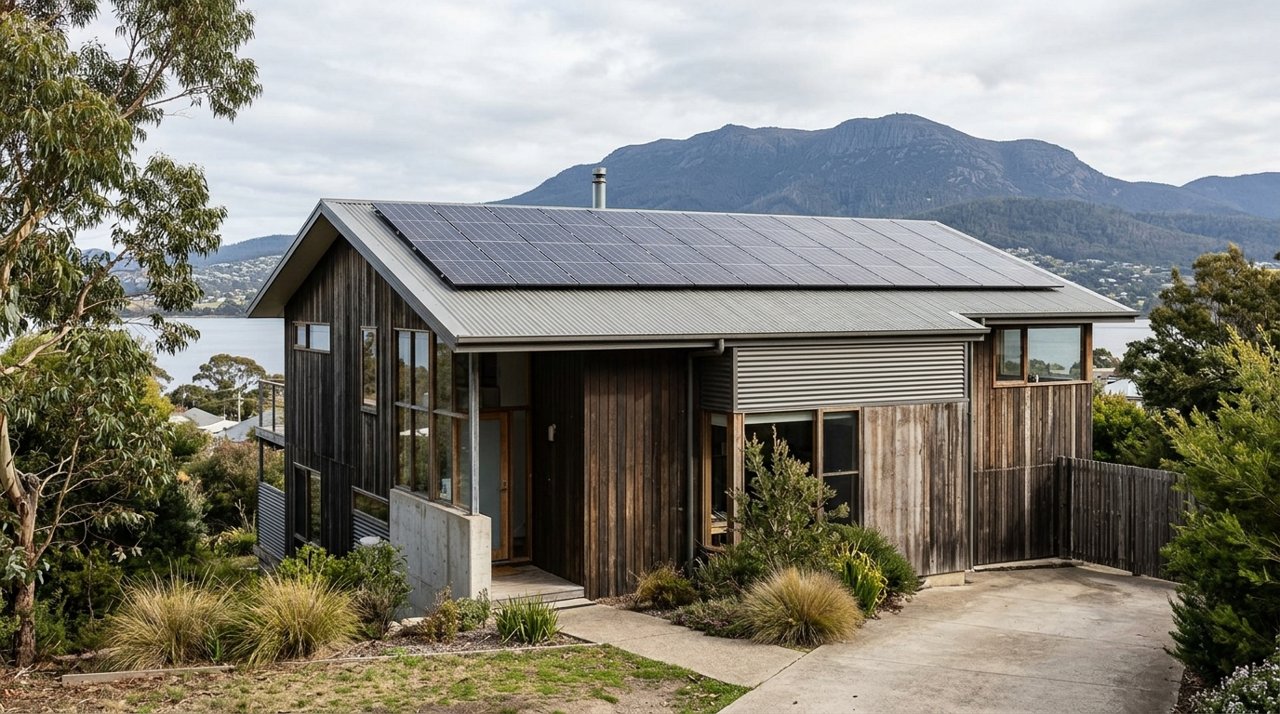
Before a single solar panel can be installed on your roof, there’s a crucial first step: getting approval from TasNetworks. It might seem like extra paperwork, but it’s essential for the safety and stability of Tasmania’s electricity grid.
TasNetworks owns and manages the poles and wires that deliver power to your home. When you install solar, you’re not just generating power for yourself; you’re also connecting a small power station to this shared network. Approval is needed to ensure your system won’t cause problems for your neighbours or for the line workers who maintain the grid. A good solar installer handles this entire process for you, but understanding what’s happening behind the scenes is key to a smooth journey.
The Step-by-Step Approval Process
Connecting to the grid is a multi-stage process involving your installer, TasNetworks, and your electricity retailer (usually Aurora Energy). While your installer does the heavy lifting, the main steps are:
- Connection Application: Before installation, your installer submits an application to TasNetworks. This is typically for a ‘Basic Micro Embedded Generation Connection’, which covers most residential systems. This application includes technical details about your proposed system, like the inverter model and a diagram of the setup.
- Assessment and Approval: TasNetworks reviews the application to ensure the proposed system meets their technical and safety requirements. For most standard residential installations (up to a 10kW inverter on a single-phase connection), this is a straightforward process. TasNetworks will then issue approval to proceed.
- Installation and Inspection: Once approval is granted, your team can install the panels and inverter. After the physical installation, the work is inspected to ensure it complies with all standards, and a Certificate of Electrical Compliance is issued.
- Metering and Final Connection: Your installer then sends the paperwork to your retailer (e.g., Aurora Energy). The retailer arranges for your existing meter to be replaced or reconfigured to a ‘smart’ or bidirectional meter. This new meter is crucial as it measures both the power you draw from the grid and the excess solar power you send back.
- System Activation: Only after the new meter is installed and TasNetworks gives the final go-ahead can your system be officially switched on. This process typically takes about 4-6 weeks from the application, provided no network upgrades are needed.
A critical gotcha for homeowners is the temptation to switch the system on right after the panels are installed. Don’t do it. The system must remain off until the new meter is in place and final permission is granted.
Getting the System Size Right for Your Home
The old standard 6.6kW solar system is no longer the default for many Tasmanian households. As we move towards all-electric homes with electric vehicles (EVs), heat pump hot water, and induction cooktops, our energy needs are growing.
A larger, more future-proof system is often a smarter investment. Here’s what’s possible and practical in Tasmania:
- The 13kW Sweet Spot: TasNetworks allows a 10kW inverter on a standard single-phase connection, which most Tassie homes have. Under the Clean Energy Council’s oversizing guidelines, you can pair a 10kW inverter with up to 13.3kW of solar panels (133% of the inverter’s capacity). This ‘oversizing’ is a smart strategy; it helps generate more consistent power throughout the day, especially on overcast days and during the winter months, without needing an expensive three-phase upgrade.
- When Smaller is Better: Of course, not everyone needs a large system. If you have low electricity consumption and no plans to get an EV or electrify your major appliances, a smaller system might be more cost-effective. Be honest about your future plans with your installer.
The key is to size the system for your future needs, not just your current electricity bill.
Making the Numbers Work: Rebates and Payback
The financial case for solar in Tasmania is built on self-consumption, not on earning a huge income from exports.
- Self-Consumption is King: You’ll save the most money by using the solar power you generate directly in your home. This is because the price you pay to import electricity from the grid (around 25-29 c/kWh) is much higher than the modest feed-in tariff (FiT) you receive for exporting your excess power (around 9.3 c/kWh). Every kilowatt-hour of solar you use yourself is a kilowatt-hour you don’t have to buy.
- The Federal STC Rebate: The upfront cost of your system is significantly reduced by the Small-scale Renewable Energy Scheme (SRES). This federal program provides a point-of-sale discount in the form of Small-scale Technology Certificates (STCs). Tasmania is in STC Zone 4, which means our rebate is slightly lower than in sunnier parts of Australia, but it still typically shaves thousands of dollars off the initial price. Your installer will handle all the STC paperwork for you.
- Adding a Battery: A battery allows you to store your excess daytime solar energy for use in the evening, dramatically increasing your self-consumption. While this extends the payback period (solar-only is roughly 4-6 years; a battery adds another 7-12 years to its own payback), the federal Cheaper Home Batteries program can help. This scheme can provide a substantial discount on the cost of an eligible battery system.
Your Practical Takeaway
The most important decision you’ll make is choosing a reputable, experienced solar installer. They will be your guide through this entire process, from system design to lodging the TasNetworks application and coordinating the final connection. They handle the technical details so you don’t have to.
However, understanding the key steps—why approval is needed, what system size makes sense for the future, and how the finances stack up—empowers you to ask the right questions and make a confident choice for your home. Getting connected the right way ensures your system is safe, compliant, and ready to save you money for decades to come.
This guide was written by the team at Solar Generation Tasmania. We’re locals who are passionate about helping Tasmanians make smart, informed decisions about their energy future.
#solargentas #solargen #solargenerationtasmania
Published by Solar Generation Tasmania. General information current as at publication — rebates, tariffs and prices change, so confirm current figures before deciding.
Thinking about solar for your place?
Tell us a little about your home and a local Tasmanian installer will put together a free, no-obligation assessment — system, battery and the rebates you qualify for.
- Honest advice for Tasmanian conditions (Zone 4 sun, hydro grid)
- We apply every rebate you’re eligible for
- Local installers — not a mainland call centre
- SAA-accredited, with degree-qualified owners and 10+ years in tech & solar