
← Blog · 13 July 2026
Heat Pump Rebates and Electrifying Your Tasmanian Home in 2026
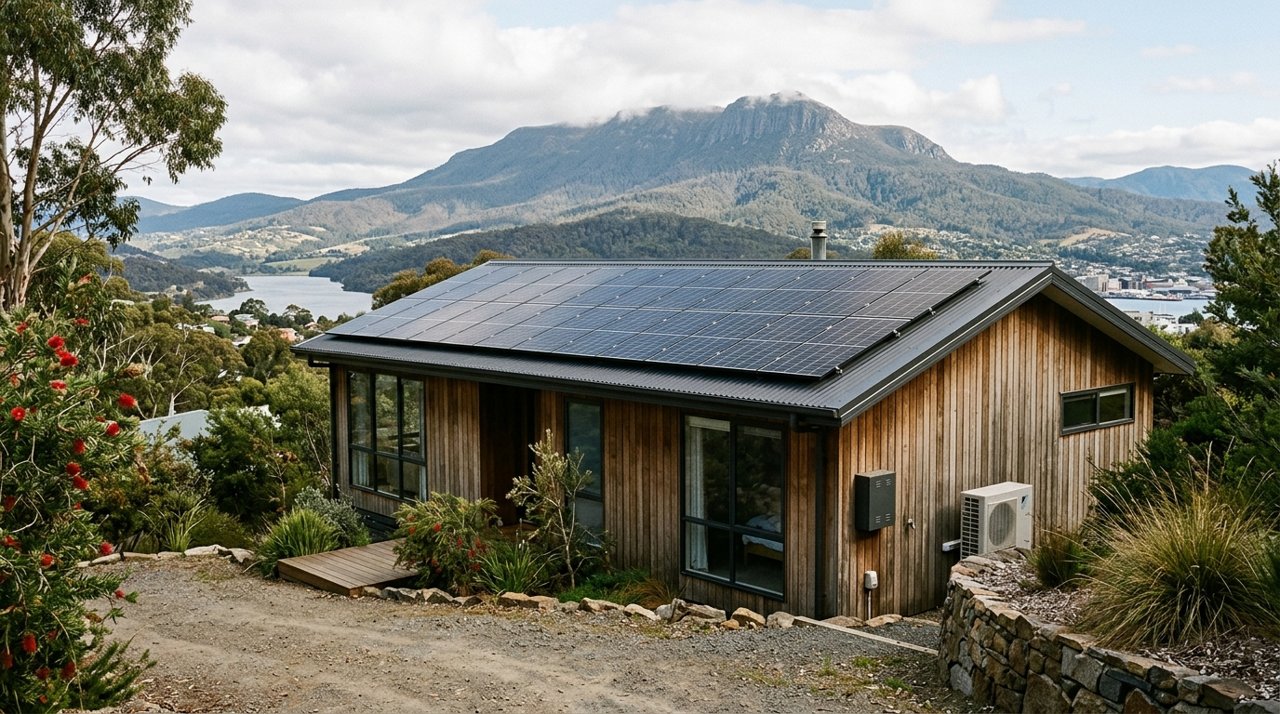
Yes, for most households, installing solar panels is one of the smartest financial decisions you can make. The key is to use the power you generate yourself, because the price you pay for electricity from the grid (your ‘import’ price) is much higher than the price you get for selling your excess solar power back (your ‘feed-in tariff’). By using your own solar power during the day to run appliances, you directly reduce your power bills.
The savings come from avoiding buying expensive grid electricity. With Aurora Energy’s retail price sitting around 28-30 cents per kilowatt-hour (c/kWh), every kWh of solar you use yourself is a direct saving of that amount. The feed-in tariff you receive for power you export is regulated and sits at a more modest 9.276 c/kWh from 1 July 2026. This difference highlights why self-consumption is the name of the game in Tassie.
What size solar system should I get for my home?
For a Tasmanian home looking to electrify in the future, a larger system of around 13kW of panels paired with a 10kW inverter is now the smart default. This might sound big, but it’s about future-proofing your home for things like an electric vehicle (EV), a heat pump for hot water, and maybe even induction cooking. Tasmania’s network rules are quite favourable, as TasNetworks generally allows a 10kW inverter on a standard single-phase connection, which most homes have.
Here’s a quick comparison:
- The Old Standard (6.6kW system): Great for lower-usage homes with gas hot water and no plans for an EV. It covers daytime basics but may not be enough to support a fully electric home.
- The New Standard (13kW system): Ideal for families who plan to ditch gas and get an EV. It generates significantly more power, especially on the shoulders of the day and in overcast weather, maximising your ability to self-consume and charge a future home battery.
Of course, if you have a smaller roof, are a very low-energy user, and have no plans to electrify, a smaller system can still be a great investment.
How do solar rebates work in Tasmania?
The main financial incentive is the federal Small-scale Renewable Energy Scheme (SRES), often called the ‘solar rebate’. It’s not a cash-back offer but an upfront discount on the cost of your system. It works by creating Small-scale Technology Certificates (STCs) based on your system’s size and your location. Tasmania is in STC Zone 4. The value of these STCs is traded on an open market, but your installer will almost always handle this for you and just quote you the final, discounted price. This federal incentive significantly reduces the initial outlay for your panels and inverter.
Should I get a battery with my solar system?
A battery can be a fantastic addition, but it’s important to be realistic about the payback period in Tasmania. Our state’s relatively low electricity prices and fair feed-in tariff mean the financial case for a battery is less urgent than on the mainland. The primary value of a battery in Tassie is to store your excess daytime solar power for use in the evening, further increasing your self-consumption and providing backup power during an outage.
The new federal Cheaper Home Batteries Program, which started on 1 July 2025, can help with the cost. If you and your chosen battery system are eligible, this program could provide a significant discount, potentially around 30% off the battery’s cost. The rebate is calculated per usable kilowatt-hour (kWh) of storage and tapers down each year until 2030. It’s important to note there is no separate Tasmanian state government battery rebate.
For many, the payback period for a battery might be around 7-12 years, even with the rebate. It’s a long-term investment in your home’s energy independence and resilience.
What about heat pump hot water rebates?
Switching from an old, inefficient electric or gas hot water system to a modern heat pump is one of the biggest energy-saving moves you can make. Heat pumps use a fraction of the electricity of traditional resistive electric heaters. Like the solar panel incentive, the main rebate for heat pumps comes from the federal SRES scheme in the form of STCs. This provides a substantial point-of-sale discount that can make a new, efficient system much more affordable.
By timing your heat pump to run during the middle of the day, you can heat your water for the next 24 hours using your own free solar power, which is a massive win for your power bill.
What’s the smartest way to use my solar power?
The goal is to shift as much of your electricity usage as possible into the “solar window”—roughly from 9 am to 4 pm. This is when your panels are generating the most power.
Here are some simple habits to get into:
- Run the dishwasher and washing machine during the day.
- Set your heat pump hot water system on a timer to heat in the middle of the day.
- If you have an EV, charge it during the day.
- Use appliances like bread makers or slow cookers on timers to run while the sun is shining.
By making these small adjustments, you directly use the energy you generate, which provides a far greater financial return than exporting it to the grid. A typical solar system without a battery might pay for itself in roughly 4-6 years, simply by offsetting your daytime energy costs.
This guide to Tasmanian home solar and electrification was written by the local team at Solar Generation Tasmania. We’re always happy to help our fellow Tasmanians understand their energy options.
#solargentas #solargen #solargenerationtasmania
Published by Solar Generation Tasmania. General information current as at publication — rebates, tariffs and prices change, so confirm current figures before deciding.
Thinking about solar for your place?
Tell us a little about your home and a local Tasmanian installer will put together a free, no-obligation assessment — system, battery and the rebates you qualify for.
- Honest advice for Tasmanian conditions (Zone 4 sun, hydro grid)
- We apply every rebate you’re eligible for
- Local installers — not a mainland call centre
- SAA-accredited, with degree-qualified owners and 10+ years in tech & solar