
← Blog · 4 August 2026
Higher Power Prices and Solar Export Rates Kick In For Tasmania
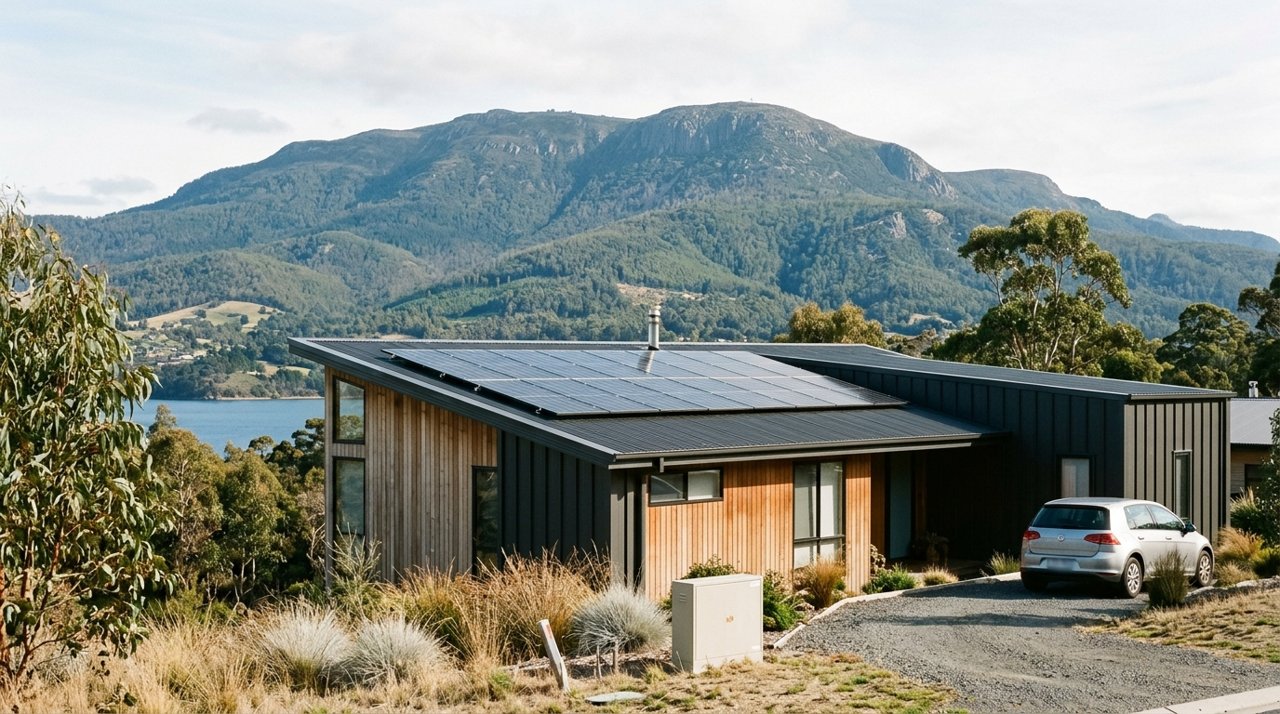
July 2026 has ushered in a new financial reality for Tasmanian homeowners, with updated electricity prices and solar feed-in tariffs taking effect, while national reports highlight the accelerating pace of home battery installations across the country.
The most significant local development came into effect on July 1, following a late June announcement by the Tasmanian Economic Regulator. The minimum feed-in tariff—the rate solar owners are paid for exporting surplus electricity to the grid—has increased by 5.6 per cent for the 2026-27 financial year. The new rate is now 9.276 cents per kilowatt-hour (kWh), up from 8.782c/kWh previously. The regulator attributed this rise to increases in the wholesale electricity price and other national market costs.
However, this boost for solar exporters was accompanied by a general rise in the cost of power. The regulator also approved an average 4.23 per cent increase in Aurora Energy’s standing offer electricity prices, which also began on July 1. For a typical residential customer, this is estimated to add just over $100 to their annual bill. The price rise was driven primarily by higher approved network costs for TasNetworks, which is responsible for maintaining the state’s poles and wires.
For a Tasmanian household considering solar, these two changes pull in the same direction. The higher feed-in tariff makes exporting power slightly more lucrative, but the increase in what it costs to buy electricity from the grid provides a much stronger financial incentive to generate and use your own solar power on-site, a practice known as “self-consumption”.
On the national front, there have been no recent changes to the two main federal incentives. The Small-scale Renewable Energy Scheme (SRES), which provides an upfront discount on the cost of solar panels through Small-scale Technology Certificates (STCs), continues its scheduled, gradual wind-down. For 2026 installations, the rebate is calculated on a 5-year “deeming period”, which will reduce to 4 years from January 2027, slightly lowering the discount for new systems next year.
The federal Cheaper Home Batteries Program also remains active, with no new adjustments in the past month. The last change occurred on May 1, 2026, when the program moved to a tiered incentive structure that provides a higher rate for the first 14kWh of battery capacity. Recent figures released in late July and early August show the program’s immense popularity, with Federal Energy Minister Chris Bowen confirming that uptake is tracking far ahead of initial expectations, with nearly 500,000 Australian households having installed a subsidised battery by late July 2026.
Data from the Australian Energy Market Operator (AEMO) reinforces this trend. In its Quarterly Energy Dynamics report for the second quarter of 2026, released in late July, AEMO confirmed that record output from renewables and the rapid growth in both grid-scale and household batteries were helping to lower wholesale electricity prices across the National Electricity Market. The report noted that household battery capacity grew by a remarkable 41% across the market during the quarter. For Tasmania, AEMO reported that average wholesale prices fell by 39% compared to the same quarter last year. This demonstrates the growing influence of renewable energy and storage on grid stability and pricing, which ultimately affects the long-term value proposition of home solar and battery systems.
No major announcements regarding new solar panel or battery technology, nor any new state-level initiatives from the Tasmanian Government, Aurora Energy, or TasNetworks, were made in the last four weeks.
These developments mean Tasmanians are now paying more for grid electricity while also receiving a higher rate for their solar exports, increasing the value of on-site solar generation.
#solargentas #solargen #solargenerationtasmania
Published by Solar Generation Tasmania. General information current as at publication — rebates, tariffs and prices change, so confirm current figures before deciding.
Thinking about solar for your place?
Tell us a little about your home and a local Tasmanian installer will put together a free, no-obligation assessment — system, battery and the rebates you qualify for.
- Honest advice for Tasmanian conditions (Zone 4 sun, hydro grid)
- We apply every rebate you’re eligible for
- Local installers — not a mainland call centre
- SAA-accredited, with degree-qualified owners and 10+ years in tech & solar