
← Blog · 30 June 2026
How to Read a Tasmanian Power Bill Before Going Solar
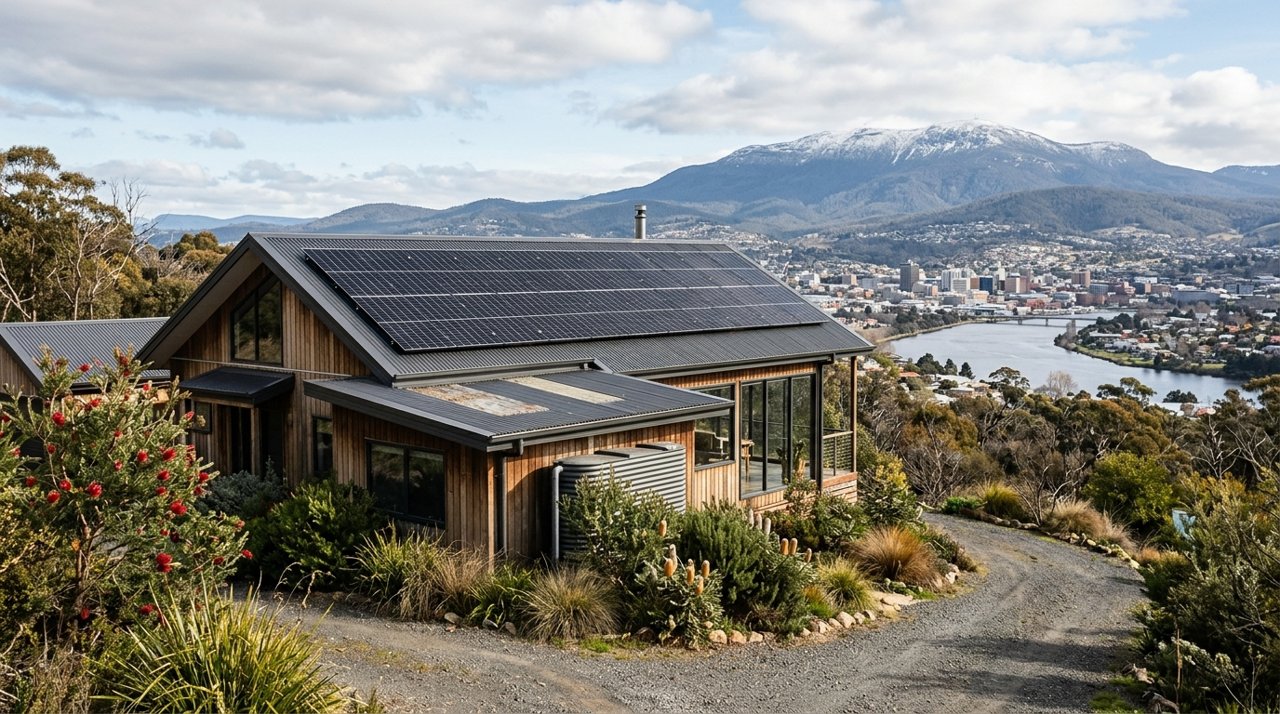
Before you even think about panel sizes or battery brands, the single most useful thing you can do is grab your latest power bill. Your Aurora Energy bill is a treasure map; it holds the exact clues you need to design a solar system that saves you the most money.
This guide will walk you through how to read your Tasmanian power bill with “solar eyes,” helping you understand what really matters for a smart investment.
First, Find Your Average Daily Usage
Forget the big dollar figure at the top for a moment. The most important number for solar planning is your “average daily usage” in kilowatt-hours (kWh).
On most recent Aurora Energy bills, you’ll find this on page 3 in a graph or summary box. It shows your average daily usage for the current billing period and often compares it to the same time last year.
- What is a kWh? A kilowatt-hour is a unit of energy. Running a 1,000-watt heater for one hour uses 1 kWh.
- Why does it matter? This number tells you how much energy your home consumes on a typical day. A solar system needs to generate at least this much to cover your needs. Tasmanian households are among the highest energy users in Australia, with an average annual usage of around 8,619 kWh, which breaks down to about 23.6 kWh per day. Your usage might be higher or lower.
Look at your usage across a few bills from different seasons. Your winter bill will likely be much higher than your summer one due to heating. This pattern is crucial for sizing your solar system correctly.
The Big Secret: Self-Consumption is Everything
Once you know your daily usage, the next step is to understand how solar actually saves you money in Tasmania. It’s not about selling power back to the grid.
On your bill, you’ll find your electricity rates under “Supply and energy charges”. You’ll see two key figures:
- The General Usage Rate: This is what you pay for every kWh of electricity you import from the grid. For most Tasmanians, this is around 25-29 cents per kWh (c/kWh).
- The Solar Feed-in Tariff (FiT): This is the small credit you get for every unused kWh of solar power you export to the grid. The regulated rate for 2026-27 is modest, 9.276 c/kWh.
The difference is huge. Every kilowatt-hour of solar power you use in your own home saves you the full 25-29 cents you would have otherwise paid Aurora. Every kilowatt-hour you export only earns you a small credit of about 9.3 cents.
This is why self-consumption is the golden rule of solar in Tasmania. The goal is to use as much of your own free solar power as possible during the day, instead of selling it cheap and buying it back expensive in the evening.
Sizing Your System for the Future
Knowing your usage and the value of self-consumption helps you choose the right size system. The old standard 6.6kW system is often not enough for a Tasmanian household looking to the future.
Here’s why a larger system, like 13kW of panels on a 10kW inverter, is now the smart default for many homes:
- Electrification is Coming: You might not have an electric vehicle (EV), heat pump hot water, or an induction cooktop now, but you likely will in the next 5-10 years. These appliances increase electricity usage, and a larger system prepares you for that.
- TasNetworks Rules Allow It: Our network distributor, TasNetworks, allows a 10kW inverter on a standard single-phase connection, which covers the vast majority of Tasmanian homes.
- The 133% Rule: Clean Energy Council guidelines allow you to install 133% more panel capacity than your inverter’s rating and still get the full federal rebate. This means you can connect about 13.3kW of panels to a 10kW inverter. This “oversizing” helps generate more power on cloudy days and earlier and later in the day, boosting your self-consumption.
Is bigger always better? Honestly, no. If you have a very low-use home (e.g., under 15 kWh/day), rarely run appliances during the day, and have no plans to get an EV or electrify your heating, a smaller system might be more cost-effective. The numbers on your power bill will tell the story.
Understanding Rebates and Payback
Two main incentives help with the upfront cost:
- The Federal STC Rebate: This is a point-of-sale discount based on your system’s size and location. Tasmania is in STC Zone 4. Your installer handles this, and it’s already factored into the quotes you receive, typically knocking 20-30% off the total cost.
- The Cheaper Home Batteries Program: If you’re considering a battery to store your excess solar power for evening use, this federal program can reduce the upfront cost.
With these incentives, a well-sized solar system in Tasmania can have a payback period of roughly 4-6 years. Adding a battery extends this to around 7-12 years, but it dramatically increases your ability to use your own solar power after the sun goes down.
Your Practical Takeaway
Grab your last few Aurora Energy bills and a pen. Find your average daily kWh usage for summer and winter. This is your starting point. It will help you have a much more informed conversation about what size system your home actually needs, ensuring your investment pays off for years to come.
This guide was written by the local team at Solar Generation Tasmania. We’re always happy to help our fellow Tasmanians understand their energy options.
#solargentas #solargen #solargenerationtasmania
Published by Solar Generation Tasmania. General information current as at publication — rebates, tariffs and prices change, so confirm current figures before deciding.
Thinking about solar for your place?
Tell us a little about your home and a local Tasmanian installer will put together a free, no-obligation assessment — system, battery and the rebates you qualify for.
- Honest advice for Tasmanian conditions (Zone 4 sun, hydro grid)
- We apply every rebate you’re eligible for
- Local installers — not a mainland call centre
- SAA-accredited, with degree-qualified owners and 10+ years in tech & solar