
← Blog · 7 July 2026
Solar and Battery Rebates in Tasmania 2026: Every Incentive You Can Claim
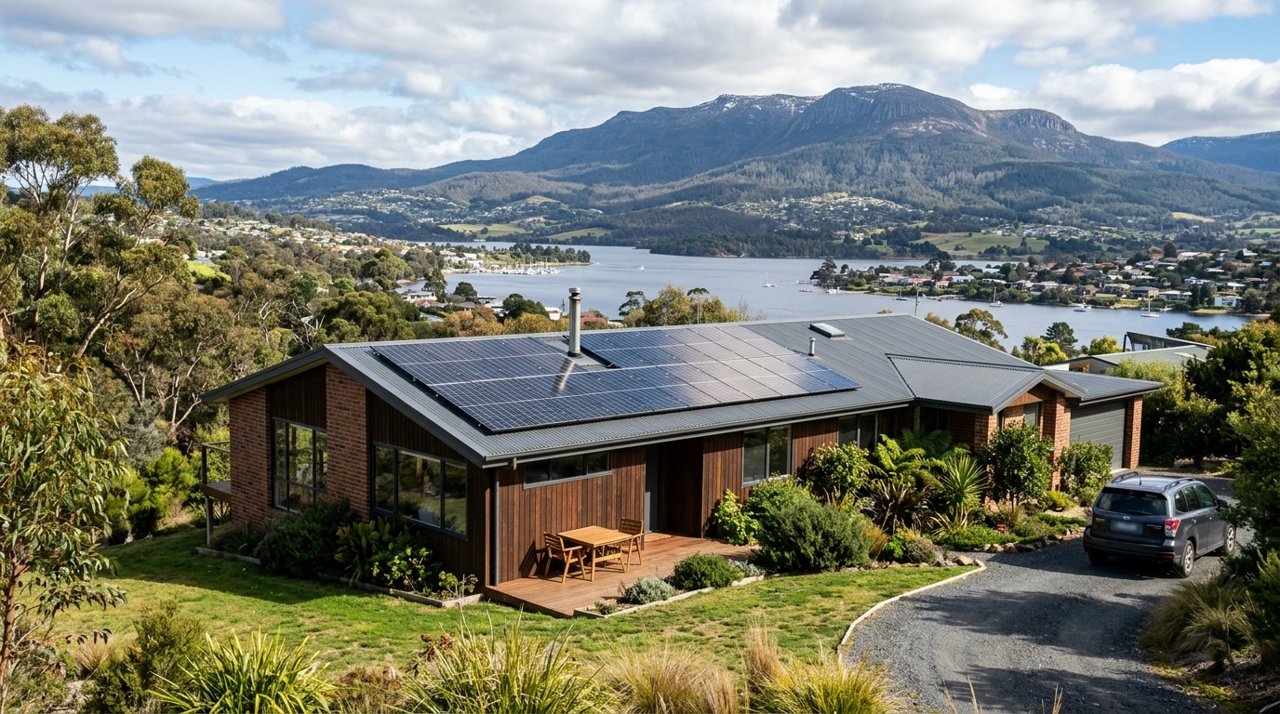
The main financial incentive available for a new solar power system in Tasmania is the federal Small-scale Renewable Energy Scheme (SRES). This isn’t a cash rebate paid after installation, but an upfront discount on the purchase price of your system. It works by creating Small-scale Technology Certificates (STCs) based on your system’s size and location, which your installer claims and passes on to you as a point-of-sale discount.
Tasmania is located in STC Zone 4. The value of the STC discount reduces each year, so the incentive is highest in the current year. For a typical 6.6kW system, this could reduce the upfront cost by thousands of dollars, while for a larger 13kW system, the discount would be proportionally larger. The exact amount depends on the market value of STCs at the time of purchase, but it remains a significant factor in making solar affordable.
Is there a rebate for solar batteries in Tasmania?
Yes, Tasmanian households can access the federal Cheaper Home Batteries Program, which started on 1 July 2025. There is no separate Tasmanian state government battery rebate. This federal program provides a significant discount off the upfront cost of an eligible solar battery when it’s installed with a new or existing solar panel system.
The program is designed to make battery storage more accessible. For an eligible battery system in 2026, a homeowner might receive a discount of roughly $250 per usable kilowatt-hour (kWh) of battery capacity. The incentive has different tiers and caps, and the total amount tapers down each year until the program ends. It’s a direct, upfront discount, not a cash-back offer, making the initial investment in a battery much lower.
How much money can I actually save with solar?
The savings from a solar system come primarily from self-consumption—using the solar power your system generates directly in your home, instead of buying expensive electricity from the grid. With a standard electricity tariff from a retailer like Aurora Energy costing around 28-30 c/kWh and the solar feed-in tariff being a more modest 9.276 c/kWh (from 1 July 2026), the financial benefit is clear. Every kilowatt-hour of solar you use yourself can save you roughly three times what you’d earn by exporting it.
For a typical household, this can lead to substantial reductions in quarterly power bills. The exact savings depend on:
- Your energy usage patterns: Homes that use more power during the day (for heating, cooling, washing machines, or charging an EV) will save more.
- System size: A larger system generates more power, increasing potential savings.
- Weather: Sunny days mean more generation.
While payback periods vary, a well-sized solar system in Tasmania can often pay for itself in energy savings in approximately 4 to 6 years.
Is a solar battery worth it in Tasmania?
A solar battery can be a great investment for Tasmanian homes, but the financial case is different from mainland Australia. The main value of a battery here is maximising self-consumption and providing backup power during outages, rather than earning high feed-in tariff income.
Because Tasmania’s grid is hydro-powered and stable, opportunities to earn money by exporting battery power through Virtual Power Plants (VPPs) are not really available. Furthermore, our relatively low electricity prices and fair feed-in tariff mean the payback period for a battery is longer, typically in the range of 7 to 12 years, even with the federal rebate.
A battery makes the most sense if you:
- Want to be protected from power outages.
- Use a lot of electricity in the evening and want to power your home with stored solar energy.
- Are planning to get an electric vehicle and want to charge it overnight with cheap, clean solar power.
What size solar system should I get?
For most Tasmanian households looking to future-proof their home, a system with around 13kW of panels paired with a 10kW inverter is becoming the new standard. This is a significant step up from the 6.6kW systems that were common a few years ago. This larger size accounts for the increasing electrification of homes, including future additions like:
- Electric vehicles (EVs)
- Heat pump hot water systems
- Induction cooktops
- Reverse cycle air conditioners for heating and cooling
TasNetworks rules allow for a 10kW inverter on a standard single-phase connection, which covers the vast majority of homes in Tasmania. This means you likely won’t need an expensive three-phase power upgrade to install a large, future-ready system. However, for a household with very low electricity consumption and no plans to electrify, a smaller 6.6kW system may still be a perfectly suitable and cost-effective choice.
How do the solar and battery rebates work together?
You can claim both the federal STC rebate for your solar panels and the Cheaper Home Batteries Program discount for your battery at the same time. They are separate federal programs that can be applied to the same installation.
Here’s the typical order of operations:
- Choose an Installer: Select an installer accredited by Solar Accreditation Australia (SAA).
- System Design: Your installer designs a system with eligible panels, inverter, and battery.
- Quote: The quote you receive should clearly show the total price with the STC discount for the panels and the battery program discount applied separately. You only pay the final, reduced amount.
- Installation: The installer completes the physical installation and handles all the paperwork for both rebates on your behalf.
It’s a streamlined process designed to be simple for the homeowner. The key is that both discounts are applied at the point of sale, reducing your upfront cost without you needing to fill out complex government forms.
Ultimately, deciding on the right solar and battery setup is about matching the system to your home’s current and future energy needs. By understanding how to use the available incentives, you can make a smart investment that lowers your power bills and increases your energy independence for years to come.
This guide was written by the local team at Solar Generation Tasmania. We’re always happy to help our fellow Tasmanians understand their solar options.
#solargentas #solargen #solargenerationtasmania
Published by Solar Generation Tasmania. General information current as at publication — rebates, tariffs and prices change, so confirm current figures before deciding.
Thinking about solar for your place?
Tell us a little about your home and a local Tasmanian installer will put together a free, no-obligation assessment — system, battery and the rebates you qualify for.
- Honest advice for Tasmanian conditions (Zone 4 sun, hydro grid)
- We apply every rebate you’re eligible for
- Local installers — not a mainland call centre
- SAA-accredited, with degree-qualified owners and 10+ years in tech & solar