
← Blog · 28 July 2026
Solar for Hobart Homes: Roof Orientation and Shading — A 2026 Guide
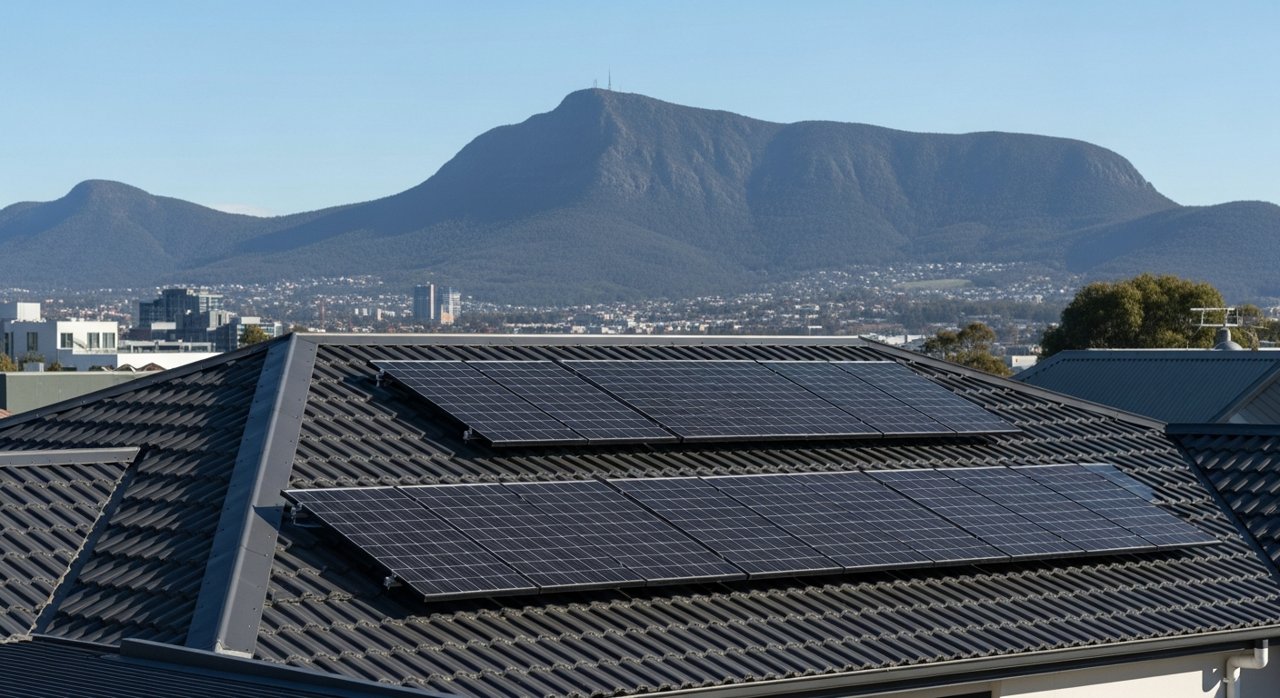
Yes, most Tasmanian roofs are great for solar. The ideal, textbook-perfect roof in Hobart or Launceston faces directly north with no shade. But in the real world, panels on roofs facing east or west also work brilliantly, often with their own advantages for how your family uses power.
A north-facing roof captures the most intense sun through the middle of the day, which is fantastic for generating maximum overall kilowatt-hours (kWh). However, an east-west split system can be a clever choice. East-facing panels catch the early morning sun, perfect for when you’re getting ready for work, and west-facing panels soak up the late afternoon sun, covering your energy use as you get home and start cooking dinner. The goal is to match your solar generation to when you use electricity, and an east-west setup can be better for self-consumption.
How much do solar panels cost in Tasmania?
The upfront cost of a solar system in Tasmania depends on its size and the quality of the components, but it’s significantly less than you might think thanks to a federal rebate. This rebate, part of the Small-scale Renewable Energy Scheme (SRES), provides Small-scale Technology Certificates (STCs) that are sold to offset the purchase price. Tasmania is in STC Zone 4, which provides a healthy discount.
While a smaller 6.6kW system was once the standard, many Tasmanian households planning for the future now opt for a larger system, around 13kW of panels paired with a 10kW inverter. This “oversizing” is allowed and helps generate more power on cloudy days and at the edges of the day. For a quality system of this size, the out-of-pocket cost is often in the ballpark of a good used car. A smaller, top-quality 6.6kW system will naturally cost less. Remember, these are general guides, and the final price depends on the specific equipment and complexity of your installation.
What size solar system do I need for my home?
For most Tasmanian homes looking to future-proof against rising electricity costs and power an electric vehicle (EV) or heat pumps, a system with around 13kW of panels and a 10kW inverter is the new sweet spot. TasNetworks, our grid operator, allows a 10kW inverter on a standard single-phase connection, which covers the vast majority of homes in Hobart and across the state.
This larger system size might seem like a lot, but it’s about preparing for an all-electric future. If you plan to switch from gas heating to a heat pump, buy an EV in the next few years, or install a battery, having the extra generation capacity is a smart move.
However, if you’re a very low energy user, don’t plan on getting an EV or a battery, and are simply looking to offset your current daytime usage, a smaller, high-quality 6.6kW system can still be a very effective and affordable choice.
Does shade make solar panels useless?
Shade doesn’t make solar panels useless, but it does reduce their output and needs to be managed properly. A little bit of shade from a vent pipe or antenna is usually no big deal. However, significant shading from a large neighbouring tree, a chimney, or a second storey can have a bigger impact.
Modern solar systems have two main ways of dealing with this:
- Microinverters: Each panel gets its own small inverter, so a shaded panel won’t affect the performance of the others.
- DC Optimisers: These are small devices attached to each panel that work with a central string inverter to manage shade, allowing unshaded panels to produce at their full potential.
A good installer will analyse any shading on your roof using specialised software and design a system that places panels in the best possible positions, using optimisers or microinverters if needed to minimise losses. Even if your roof has some shade, a well-designed system can still provide excellent value.
Should I get a battery with my solar panels in Tasmania?
A battery can be a great addition, but it’s important to be realistic about the financial payback in Tasmania. The main benefit of solar is using the power you generate yourself, because buying power from the grid costs around 28-30 cents per kWh, while the feed-in tariff you get for selling excess power back to Aurora Energy is much lower (around 9.276 c/kWh from July 2026).
A battery lets you store your cheap solar energy from the daytime to use at night, further reducing your need to buy expensive power from the grid. It also provides backup power during a blackout, which can be a huge advantage.
From mid-2025, the federal Cheaper Home Batteries Program may offer a discount on the upfront cost of an eligible battery system, potentially reducing the cost by around 30% for a typical battery. Even with this help, the payback period for a battery in Tasmania is generally longer than for solar panels alone, often in the 7-12 year range. This is because our grid power is already relatively affordable and our feed-in tariffs are fair compared to some mainland states. Unlike on the mainland, opportunities to earn extra income from your battery through Virtual Power Plants (VPPs) are not really a factor here.
Battery Decision: Key Factors
| Your Priority | Is a Battery a Good Fit? |
|---|---|
| Maximum bill savings | Yes, by storing solar for night use instead of buying from the grid. |
| Backup power during outages | Yes, this is a major benefit for comfort and security. |
| Fastest possible payback | Maybe not. Solar panels alone have a quicker payback (often 4-6 years). |
| Energy independence | Absolutely. A battery is the key to using your own solar power 24/7. |
What’s the final word on orientation and shade?
Don’t let a less-than-perfect roof stop you from exploring solar. While a shade-free, north-facing roof is the ideal, modern technology means that east-west facing panels and systems on roofs with some partial shade can still deliver fantastic results and significant savings on your power bills. The key is a quality design that matches your home’s specific layout and your family’s energy usage patterns. By generating power when you need it most—in the morning and afternoon—you maximise the value of every sunbeam that hits your roof.
This guide was written by the local team at Solar Generation Tasmania. We’re always happy to help our fellow Tasmanians understand their solar options.
#solargentas #solargen #solargenerationtasmania
Published by Solar Generation Tasmania. General information current as at publication — rebates, tariffs and prices change, so confirm current figures before deciding.
Thinking about solar for your place?
Tell us a little about your home and a local Tasmanian installer will put together a free, no-obligation assessment — system, battery and the rebates you qualify for.
- Honest advice for Tasmanian conditions (Zone 4 sun, hydro grid)
- We apply every rebate you’re eligible for
- Local installers — not a mainland call centre
- SAA-accredited, with degree-qualified owners and 10+ years in tech & solar