
← Blog · 28 June 2026
Solar Panel Warranties and What They Really Cover
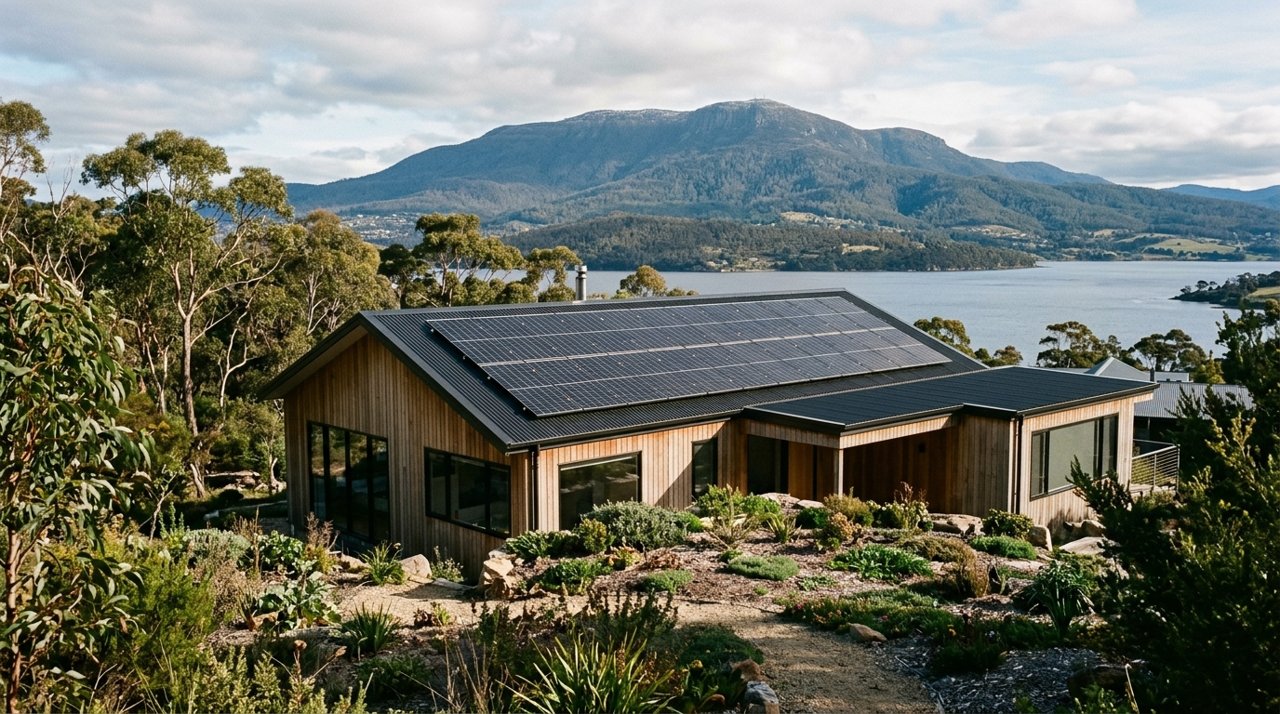
When you invest in a solar power system for your Tasmanian home, you’re buying a promise: decades of free, clean energy from the sun. But what happens if a panel fails, or the system doesn’t produce the power you were told it would? That’s where warranties come in.
Understanding solar warranties can feel like wading through jargon, but it’s one of the most important steps in making a smart decision. A good warranty from a reputable company is your best protection for the 25+ year life of your system. Let’s break down what they really mean for you here in Tassie.
The Two Panel Warranties: Product and Performance
Every solar panel comes with two distinct warranties. It’s crucial to know the difference.
-
Product Warranty: This is the one that covers physical defects in the panel itself. Think of it like the warranty on your TV or fridge. It covers failures in manufacturing, materials, and components. If a panel stops working, cracks for no reason, or has its frame fall apart, the product warranty is what gets you a replacement. For good quality panels, you should look for a product warranty of at least 15 years, with 25 years becoming the new standard for top-tier brands.
-
Performance Warranty: This guarantees the panel will still produce a certain percentage of its original power after a set number of years. All solar panels degrade slightly over time—it’s a natural process. The performance warranty puts a floor on how much power they’ll lose. A typical warranty might guarantee the panel will still operate at 80-85% of its original output after 25 years.
Of the two, the product warranty is far more important. A panel that has physically failed is useless, and that’s a clear-cut claim. A performance warranty claim, on the other hand, can be harder to prove, as it requires precise measurement to show a panel has degraded more than expected. A long product warranty is a sign of a manufacturer’s confidence in its build quality.
Don’t Forget the Inverter Warranty
The inverter is the brain of your solar system. It converts the DC power from your panels into the AC power your home uses. It’s a hardworking piece of electronics, and it’s the component most likely to fail first.
A standard inverter warranty is 5 years, but many quality brands offer a free extension to 10 years upon registration. It’s well worth checking for this. Given the inverter’s critical role, a 10-year warranty should be your minimum expectation. Some premium brands offer even longer periods, which is a great indicator of quality.
The Most Important Warranty of All: Workmanship
You can have the best panels and inverter in the world, but if they’re installed poorly, you’ll have nothing but problems. This is where the workmanship warranty comes in.
This warranty is provided by your installer, not the manufacturer. It covers the quality of the installation itself—the racking, the wiring, the rooftop sealing. If a roof leak develops because of a poor installation or a cable comes loose, this is the warranty that protects you.
A good Tasmanian installer will offer a workmanship warranty of at least 5 years, with 10 years being a sign of a company that truly stands behind its work. This warranty is only as good as the company that provides it. If the installer goes out of business, your workmanship warranty disappears with them. This is why choosing a well-established, local Tassie business with a long history is so important.
How Warranties Fit the Tassie Picture
Here in Tasmania, the game is all about self-consumption. With Aurora Energy’s retail power prices sitting around 25-29 c/kWh and the solar feed-in tariff you get for exporting power being much lower (around 9.3 c/kWh), the real savings come from using your own solar power instead of buying it from the grid.
This makes system reliability paramount. You need your system working perfectly during the day to power your home, charge your EV, and run your heat pump. A warranty isn’t just a piece of paper; it’s your guarantee of savings. A day of system downtime is a day you’re paying full price for power you should be getting for free.
This is also why sizing your system for the future is smart. A 6.6kW system was once the standard, but for a Tasmanian household looking to electrify, a larger system of around 13kW of panels on a 10kW inverter is a much better long-term investment. Thankfully, TasNetworks allows a 10kW inverter on a standard single-phase connection, which covers most homes. This larger size maximises your self-consumption and prepares you for future additions like a battery or an electric vehicle, with a typical payback period of 4-6 years.
What About Batteries?
Adding a battery lets you store your excess daytime solar to use at night, further boosting your self-consumption. Battery warranties are similar to panel warranties, usually guaranteeing the battery will hold a certain percentage of its original capacity after a number of years or cycles. A 10-year warranty is standard for modern home batteries. Programs like the federal Cheaper Home Batteries scheme can help with the upfront cost, but remember that the payback period for a battery is longer, often in the 7-12 year range.
The Bottom Line
When you’re looking at a solar quote, don’t just look at the price. Look closely at the warranty details for every component:
- Panels: Aim for a 25-year product warranty and a 25-year performance warranty.
- Inverter: A 10-year warranty should be the minimum.
- Workmanship: Look for 10 years from a local, established Tasmanian installer.
A strong warranty package from a reputable local company is your best insurance policy. It ensures your investment is protected and will continue to save you money for decades to come, letting you take full advantage of Tasmania’s abundant sunshine.
This guide was written by the local team at Solar Generation Tasmania. We’re always happy to help fellow Tasmanians understand their solar options.
#solargentas #solargen #solargenerationtasmania
Published by Solar Generation Tasmania. General information current as at publication — rebates, tariffs and prices change, so confirm current figures before deciding.
Thinking about solar for your place?
Tell us a little about your home and a local Tasmanian installer will put together a free, no-obligation assessment — system, battery and the rebates you qualify for.
- Honest advice for Tasmanian conditions (Zone 4 sun, hydro grid)
- We apply every rebate you’re eligible for
- Local installers — not a mainland call centre
- SAA-accredited, with degree-qualified owners and 10+ years in tech & solar