
← Blog · 11 July 2026
Tasmanian Electricity Prices and Solar Feed-in Tariffs Rise From July 1
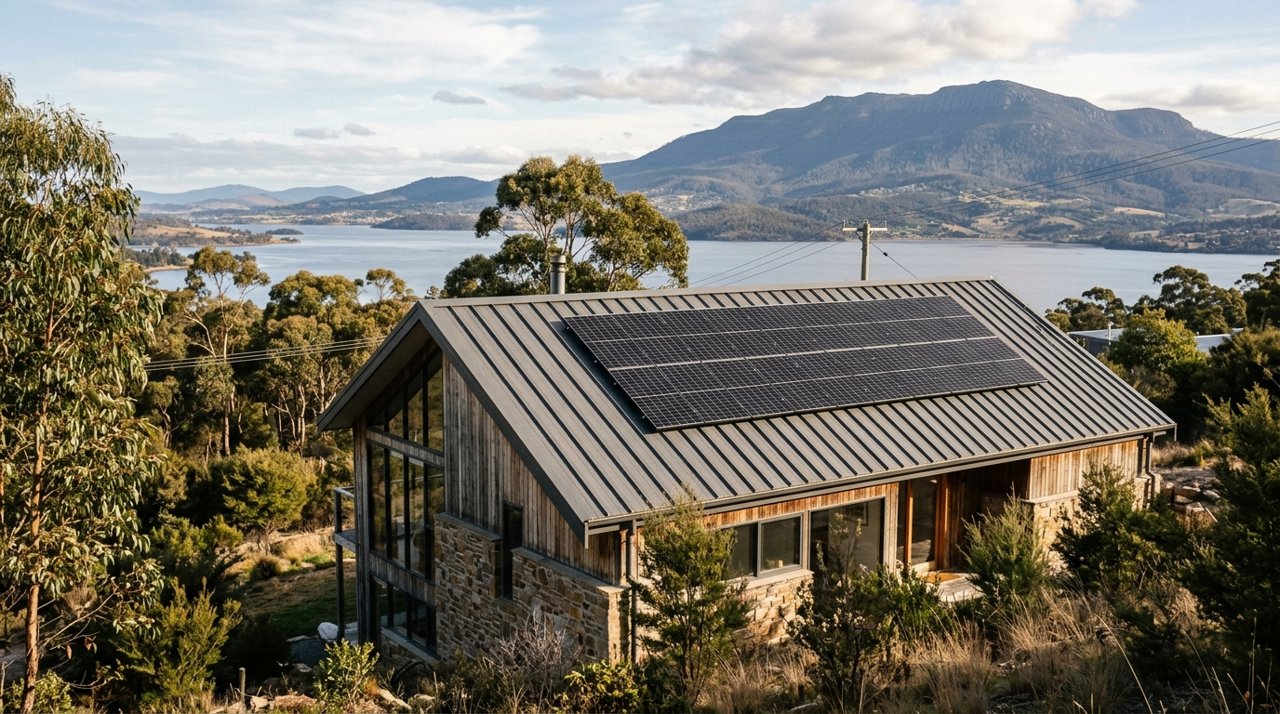
Tasmanian households are facing new electricity pricing from the beginning of the financial year, following a key decision by the state’s independent energy regulator. Announced in late June, the changes, which affect both the price of drawing power from the grid and the rate paid for exporting solar energy, coincide with a fundamental shift in how Tasmania’s energy market connects to the mainland.
On June 25, the Tasmanian Economic Regulator (TER) finalised its annual review of regulated electricity prices, approving an average increase of 4.23 per cent for Aurora Energy’s standing offer customers, effective from July 1, 2026. For a typical residential customer, the regulator estimated this will add about $108 to their annual bill.
The TER’s report attributed the price hike primarily to a rise in network charges—the costs associated with maintaining the poles and wires managed by TasNetworks. These network costs were approved by the Australian Energy Regulator (AER) earlier in the year. The increase in what it costs to transport electricity was the main driver, though this was partially offset by a reduction in the cost of national renewable energy schemes, the regulator noted.
In a more positive development for solar owners, the TER simultaneously announced a 5.6 per cent increase to the minimum solar feed-in tariff (FiT). As of July 1, the rate that retailers must pay for surplus electricity exported to the grid rose from 8.782 cents to 9.276 cents per kilowatt-hour (kWh). The regulator stated this increase was due to slightly higher wholesale electricity costs and other national market participation costs.
For a Tasmanian homeowner considering solar, this dual change has a clear practical meaning: the electricity they generate and use themselves is now more valuable, as it offsets the higher 4.23 per cent cost of buying power from the grid. At the same time, the financial return for the energy they don’t use and sell back to the grid has also improved slightly.
These local price adjustments occurred as a landmark change took place on the national grid. From July 1, 2026, the Basslink interconnector linking Tasmania to Victoria became a fully regulated asset under the control of the Australian Energy Market Operator (AEMO). For two decades, Hydro Tasmania largely determined when power flowed north or south. Now, AEMO controls the flow, dispatching the cheapest available generation across the entire National Electricity Market (NEM) to meet demand. This change integrates Tasmania more deeply into the national market, potentially exposing the state to the price volatility seen in other NEM regions. This structural shift underscores the value of on-site generation for insulating households from market fluctuations.
On the federal incentives front, the landscape remains stable after earlier changes. The national Cheaper Home Batteries Program, which offers an upfront discount of around 30 per cent on new batteries, continues to be available. However, the structure of this rebate was altered on May 1, 2026, to a tiered system that provides progressively less support for larger batteries and schedules more frequent reductions to the subsidy value. No new changes have been made in the past month. The Small-scale Renewable Energy Scheme (SRES), which provides the point-of-sale discount for solar panels via STCs, also remains unchanged, with its next scheduled reduction in value not due until January 2027.
There have been no major announcements of new, commercially available solar panel or battery technologies in the last month. The market continues its gradual shift towards more efficient N-type TOPCon solar cells over older PERC technology, a trend established earlier in 2026.
These developments highlight a shift in the energy landscape, with regulated price changes and deeper grid integration influencing the economics of household solar generation.
#solargentas #solargen #solargenerationtasmania
Published by Solar Generation Tasmania. General information current as at publication — rebates, tariffs and prices change, so confirm current figures before deciding.
Thinking about solar for your place?
Tell us a little about your home and a local Tasmanian installer will put together a free, no-obligation assessment — system, battery and the rebates you qualify for.
- Honest advice for Tasmanian conditions (Zone 4 sun, hydro grid)
- We apply every rebate you’re eligible for
- Local installers — not a mainland call centre
- SAA-accredited, with degree-qualified owners and 10+ years in tech & solar