
← Blog · 1 August 2026
Tasmanian Solar Feed-in Rate Rises as New Power Prices Take Effect from July 1
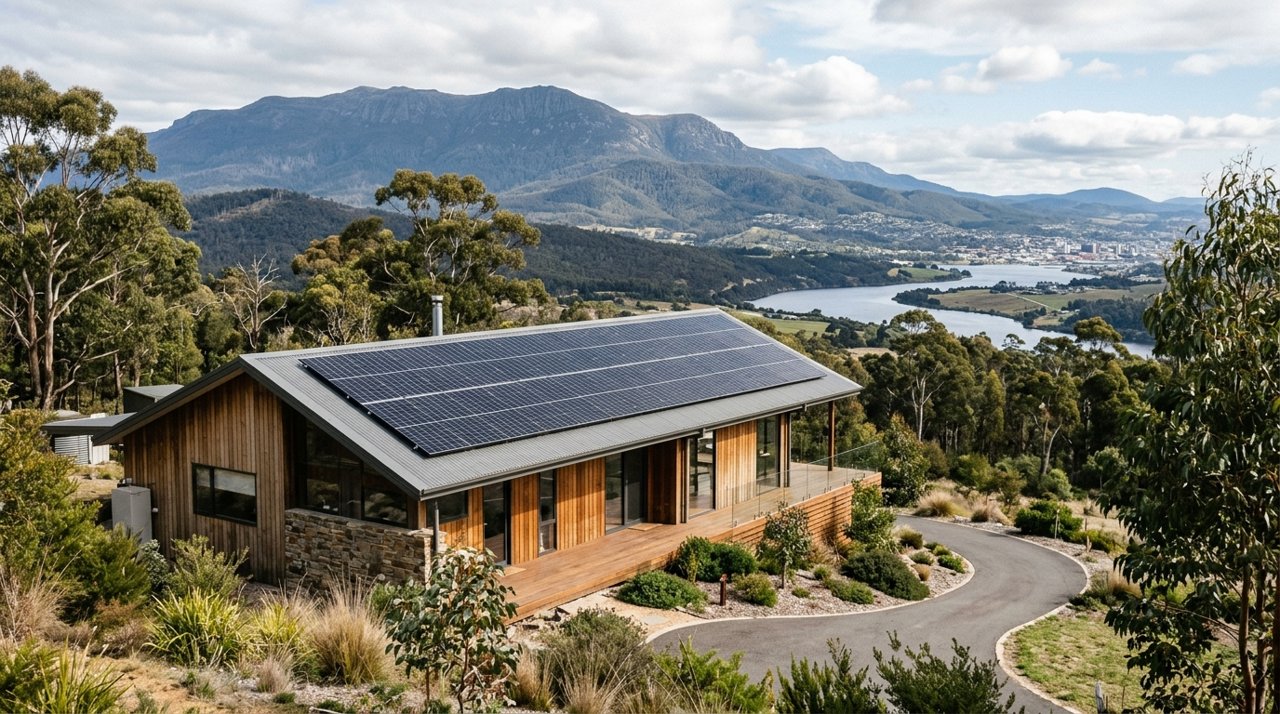
Tasmania’s energy landscape saw significant shifts in early July, with regulators increasing both the price homeowners pay for grid electricity and the rate they receive for exporting solar power. The changes, effective July 1, 2026, come as national reports highlight the growing impact of rooftop solar and home batteries on Australia’s electricity market.
The Tasmanian Economic Regulator (OTTER) announced in late June that the minimum solar feed-in tariff would increase by 5.6 per cent for the 2026-27 financial year. As of July 1, Tasmanian solar owners now receive a minimum of 9.276 cents per kilowatt-hour (kWh) for surplus energy sent to the grid, up from the previous rate of 8.782 c/kWh. The regulator attributed the rise to higher wholesale electricity costs and national market participation charges.
At the same time, OTTER approved an average 4.23 per cent increase in Aurora Energy’s standing offer electricity prices for residential and small business customers. For a typical residential customer, this is estimated to add just over $100 to their annual bill. The price rise was primarily driven by an increase in network costs charged by TasNetworks, which manages the state’s poles and wires. In a related announcement, the Tasmanian Government confirmed it was doubling its Energy Hardship Fund, administered with Aurora Energy, to assist households struggling with energy bills.
On the national level, federal incentives for solar and batteries remain in place, though key changes occurred just prior to this period. The main federal rebate for solar panels, which works by creating Small-scale Technology Certificates (STCs), continues its scheduled, gradual phase-out. The value of the STC rebate reduces slightly each year on January 1, meaning a system installed in 2026 receives a larger upfront discount than the same system will in 2027.
For homeowners considering storage, the federal Cheaper Home Batteries Program continues to drive massive uptake across Australia. However, the program’s structure was altered on May 1, 2026, moving from a flat subsidy to a tiered system. The change means the rebate provides its highest value for the first portion of a battery’s capacity. For installations from May 2026, the subsidy is worth approximately $252 per kWh for the first 14kWh of usable capacity, tapering off for larger systems.
The powerful impact of this battery uptake was a key finding in the Australian Energy Market Operator’s (AEMO) Quarterly Energy Dynamics report, released in late July 2026. The report, covering the second quarter of the year, found that a record boom in renewables and batteries was pushing down wholesale electricity prices across the country. Wholesale prices in Tasmania fell by 39 per cent compared to the same period last year. AEMO noted that the rapid installation of home batteries, spurred by the federal rebate, was measurably reducing evening peak demand on the grid as households increasingly use their own stored solar power instead of buying from the grid.
While no major new solar panel or battery products were launched in the past month, the industry trend for 2026 continues to be a widespread shift from older P-type solar cells to more efficient N-type technologies like TOPCon. These newer panels generally offer better performance in high heat and degrade more slowly over their lifespan.
These recent changes highlight a dynamic period for Tasmanian solar owners, with regulated price and tariff adjustments occurring alongside national market trends driven by technology uptake.
#solargentas #solargen #solargenerationtasmania
Published by Solar Generation Tasmania. General information current as at publication — rebates, tariffs and prices change, so confirm current figures before deciding.
Thinking about solar for your place?
Tell us a little about your home and a local Tasmanian installer will put together a free, no-obligation assessment — system, battery and the rebates you qualify for.
- Honest advice for Tasmanian conditions (Zone 4 sun, hydro grid)
- We apply every rebate you’re eligible for
- Local installers — not a mainland call centre
- SAA-accredited, with degree-qualified owners and 10+ years in tech & solar