
← Blog · 5 July 2026
Tasmanian Solar Feed-in Rate Rises, But Power Prices and Battery Rebate Rules Also Shift
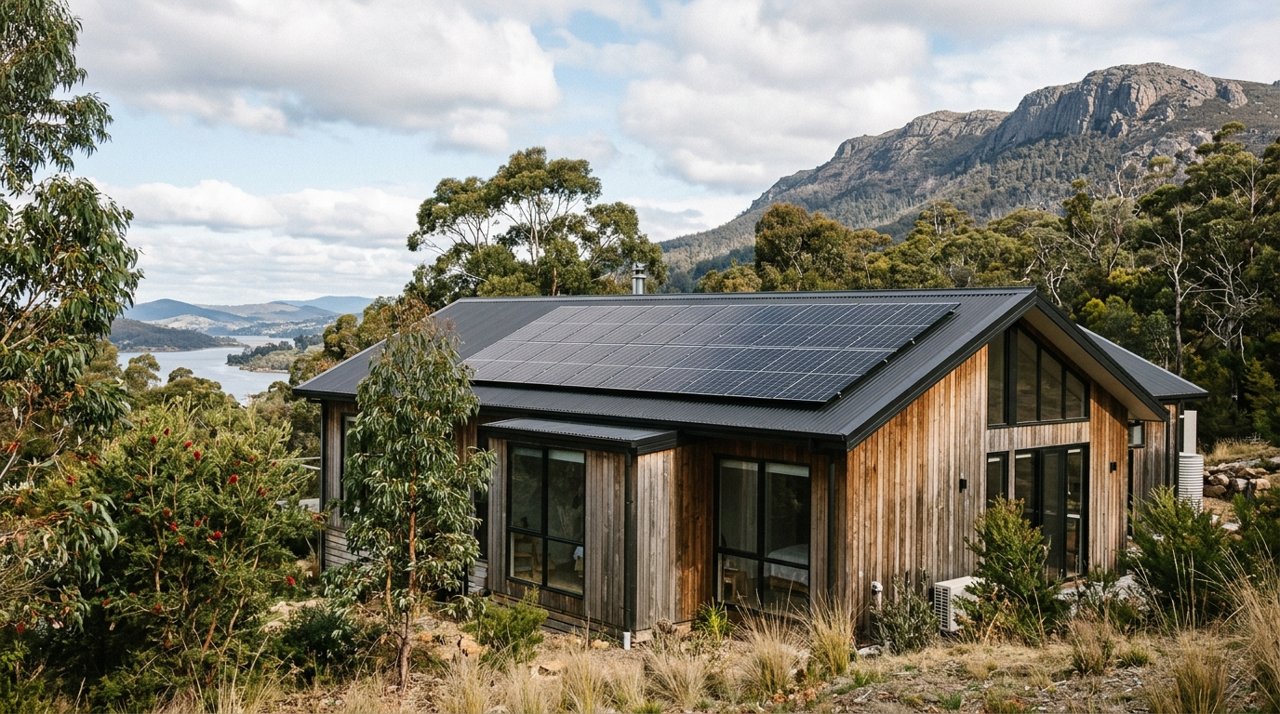
HOBART, 5 July 2026 – Tasmanian homeowners with solar panels will receive more for their exported power from this month, following a decision by the state’s economic regulator. However, the change coincides with a general electricity price hike and follows recent adjustments to the federal battery rebate scheme, creating a complex new energy landscape for those considering solar and batteries.
On June 25, the Office of the Tasmanian Economic Regulator (OTTER) announced a 5.6 per cent increase to the minimum solar feed-in tariff, which came into effect on July 1. The rate paid by electricity retailers like Aurora Energy for surplus power exported to the grid has now risen from 8.782 cents to 9.276 cents per kilowatt-hour (kWh). The regulator attributed the increase to higher wholesale electricity costs and national market participation fees.
This welcome news for solar owners was tempered by the regulator’s simultaneous approval of a 4.23 per cent average increase in Aurora Energy’s standing offer electricity prices, which also began on July 1. For a typical residential customer, this is estimated to add around $108 to their annual bill. The price rise was primarily driven by an increase in network charges from TasNetworks, the body that maintains the state’s poles and wires. This means that while solar owners will earn more for their exports, the cost of the electricity they import from the grid—particularly at night or on cloudy days—has also increased.
There have been no recent changes to the primary federal incentive for installing solar panels, the Small-scale Renewable Energy Scheme (SRES). This scheme provides an upfront discount on the installation cost through Small-scale Technology Certificates (STCs). However, the program continues its scheduled annual phase-down, with the next reduction in the value of these certificates set for January 1, 2027.
For homeowners considering adding a battery to their solar system, the federal Cheaper Home Batteries Program has undergone a significant structural change. While the program continues to offer a substantial upfront discount, new rules implemented on May 1, 2026, have introduced a tiered rebate system. The full value of the rebate now applies only to the first 14kWh of a battery’s capacity. The incentive then tapers, with a lower rate applied for capacity between 14kWh and 28kWh, and a much lower rate beyond that. This change, announced by the Department of Climate Change, Energy, the Environment and Water, effectively reduces the subsidy for larger home battery systems, encouraging homeowners to “right-size” installations.
On the national grid front, the Australian Energy Market Operator (AEMO) released its 2026 Integrated System Plan (ISP) in late June. The plan, which maps out the future of the National Electricity Market, identifies the expansion of Tasmania’s Renewable Energy Zone (REZ) as a key project. AEMO is actively seeking “non-network options” like battery storage to help manage the grid, signalling the growing importance of distributed energy resources like home batteries in the national strategy.
No major new solar panel or battery technologies have been released in Australia in the past month, and there have been no other specific announcements from the Tasmanian Government, Aurora Energy, or TasNetworks relevant to residential solar.
These developments present a mixed but clear picture for Tasmanians weighing their energy options.
#solargentas #solargen #solargenerationtasmania
Published by Solar Generation Tasmania. General information current as at publication — rebates, tariffs and prices change, so confirm current figures before deciding.
Thinking about solar for your place?
Tell us a little about your home and a local Tasmanian installer will put together a free, no-obligation assessment — system, battery and the rebates you qualify for.
- Honest advice for Tasmanian conditions (Zone 4 sun, hydro grid)
- We apply every rebate you’re eligible for
- Local installers — not a mainland call centre
- SAA-accredited, with degree-qualified owners and 10+ years in tech & solar