
← Blog · 2 August 2026
Time-of-Use Electricity Tariffs in Tasmania and How Solar Fits — A 2026 Guide
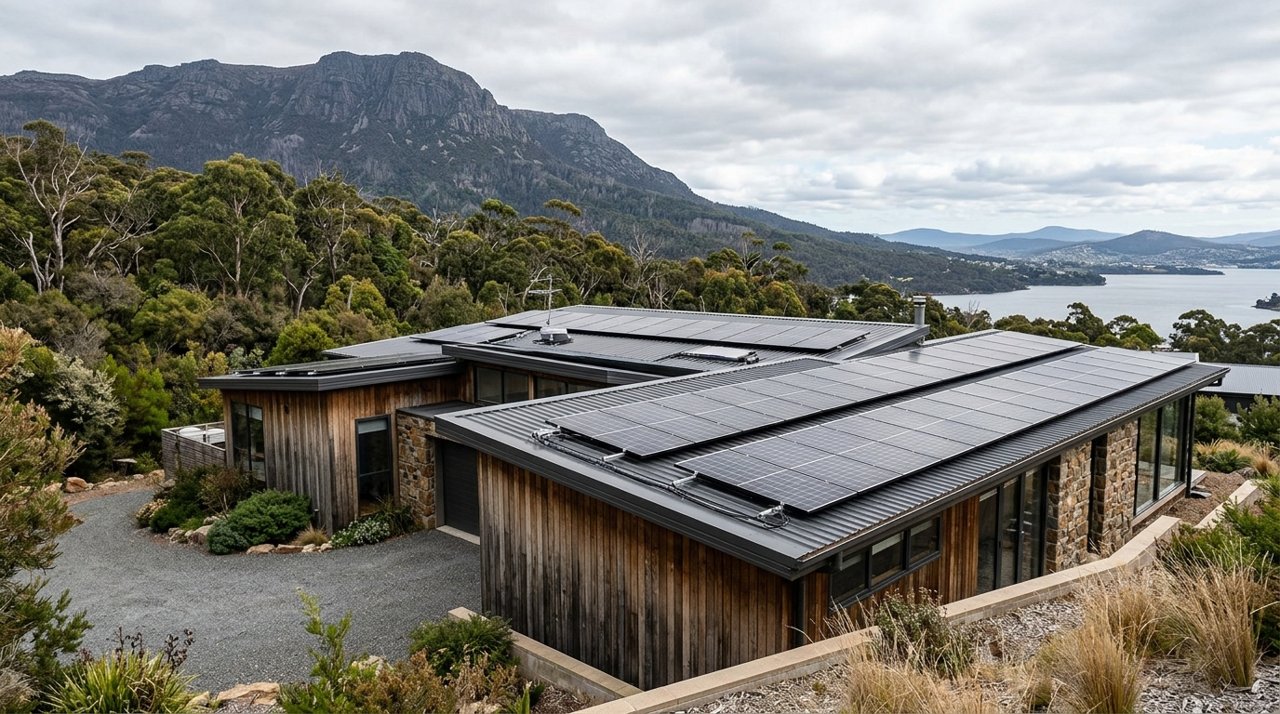
Time-of-Use (ToU) tariffs, like Aurora Energy’s ‘Residential Time of Use’ (Tariff 93), charge you different prices for electricity at different times of the day. Power is most expensive during ‘peak’ hours when demand is high (mornings and evenings), and cheapest during ‘off-peak’ hours overnight and on weekends. This is different from a flat-rate tariff where you pay the same price per unit of electricity no matter when you use it. The goal of ToU is to encourage households to shift their energy use to cheaper times, which helps reduce strain on the electricity grid.
For solar owners, this tariff structure is particularly important. Your solar panels generate the most power during the day, which often aligns with shoulder or off-peak periods when electricity is cheaper to buy. The real saving comes from using your own solar power to avoid buying expensive peak-hour electricity from the grid.
Is solar worth it in Tasmania given the low feed-in tariff?
Yes, for most households, solar is a very sensible investment, but the key is to use the power you generate yourself. The regulated solar feed-in tariff—the amount your retailer pays you for excess power you send to the grid—is set to be a modest 9.276 cents per kilowatt-hour (c/kWh) from 1 July 2026. This is much lower than the roughly 28-30 c/kWh you pay to buy electricity from the grid.
This price gap means the biggest savings come from “self-consumption.” Every kilowatt-hour of solar power you use in your home is one less kilowatt-hour you have to buy at the high retail rate. Exporting that same unit of power would only earn you about a third of what it costs to buy it back later. A well-designed system focused on self-use can typically pay for itself in around 4 to 6 years.
Here’s a simple comparison of the value:
- Value of Self-Consumed Solar: ~28-30 c/kWh (the amount you avoid paying your retailer).
- Value of Exported Solar: 9.276 c/kWh (the amount your retailer pays you).
The strategy is clear: shift your energy use to daylight hours. Run the dishwasher, washing machine, and hot water heat pump while the sun is shining to maximise your savings.
What size solar system should I get for my home?
For most Tasmanian homes, especially those planning to electrify in the future, a system of around 13kW of panels paired with a 10kW inverter is becoming the smart default choice. This is a significant step up from the 6.6kW systems that were common a few years ago. This larger size helps future-proof your home for additions like an electric vehicle (EV), a heat pump hot water system, or induction cooking.
TasNetworks, the authority for our poles and wires, allows a 10kW inverter on a standard single-phase connection, which covers the vast majority of Tasmanian houses. This generous limit means most homeowners don’t need an expensive three-phase power upgrade to install a large, future-ready solar system. It’s also possible to install more panels than the inverter’s rating—a practice called “oversizing” (up to 133%)—which helps generate more consistent power on overcast days and during the edges of the day.
However, if you have a very low electricity usage, don’t own an EV, and have no plans to electrify your home, a smaller system (such as a 6.6kW system) might be a more cost-effective choice.
Are there any rebates for solar panels in Tasmania?
Yes, Tasmanian homeowners are eligible for the federal government’s Small-scale Renewable Energy Scheme (SRES), often called the “solar rebate.” This isn’t a cash-back offer but an upfront discount on the cost of your system. The scheme provides Small-scale Technology Certificates (STCs) based on your system’s size and location.
Your solar installer handles the process of claiming and selling these STCs and applies the total value as a point-of-sale discount on your quote. You don’t need to do any paperwork yourself.
A key detail is that Australia is divided into four STC zones based on climate and sunshine levels. Tasmania is in Zone 4, which means we receive fewer STCs than sunnier mainland locations. While this means the upfront discount is slightly lower here, it is still a significant incentive that substantially reduces the initial cost of going solar. The SRES scheme is being gradually phased out and will end in 2030, with the value of the certificates reducing slightly each year.
Should I get a battery with my solar system?
Adding a battery can be a great idea, but it’s important to be realistic about the financial return in Tasmania. A battery allows you to store the excess solar power you generate during the day and use it during the expensive evening peak, which dramatically increases your self-consumption and energy independence. It also provides valuable backup power during blackouts.
The federal government’s Cheaper Home Batteries Program, which started on 1 July 2025, can make adding a battery more affordable. If you and the system are eligible, this program can provide a discount of roughly 30% on the upfront cost. The full support of about $250 per usable kWh applies to the first 14kWh of battery capacity, then tapers for larger systems. There are no separate Tasmanian state government battery rebates.
However, the payback period for a battery is generally longer here than on the mainland, often in the range of 7 to 12 years. This is because Tasmania’s relatively fair feed-in tariff and reliable hydro-powered grid mean the economic case is less urgent. Unlike on the mainland, opportunities to earn income by participating in Virtual Power Plants (VPPs) are not really available here. The primary value of a battery in Tasmania is maximising self-consumption and providing backup power.
This guide was written by the team at Solar Generation Tasmania. We believe in empowering Tasmanians with clear, honest information to help them make the right energy choices for their homes. If you have more questions, we’re always happy to help.
#solargentas #solargen #solargenerationtasmania
Published by Solar Generation Tasmania. General information current as at publication — rebates, tariffs and prices change, so confirm current figures before deciding.
Thinking about solar for your place?
Tell us a little about your home and a local Tasmanian installer will put together a free, no-obligation assessment — system, battery and the rebates you qualify for.
- Honest advice for Tasmanian conditions (Zone 4 sun, hydro grid)
- We apply every rebate you’re eligible for
- Local installers — not a mainland call centre
- SAA-accredited, with degree-qualified owners and 10+ years in tech & solar