
← Blog · 21 June 2026
Understanding Aurora Energy's Solar Feed-in Tariff
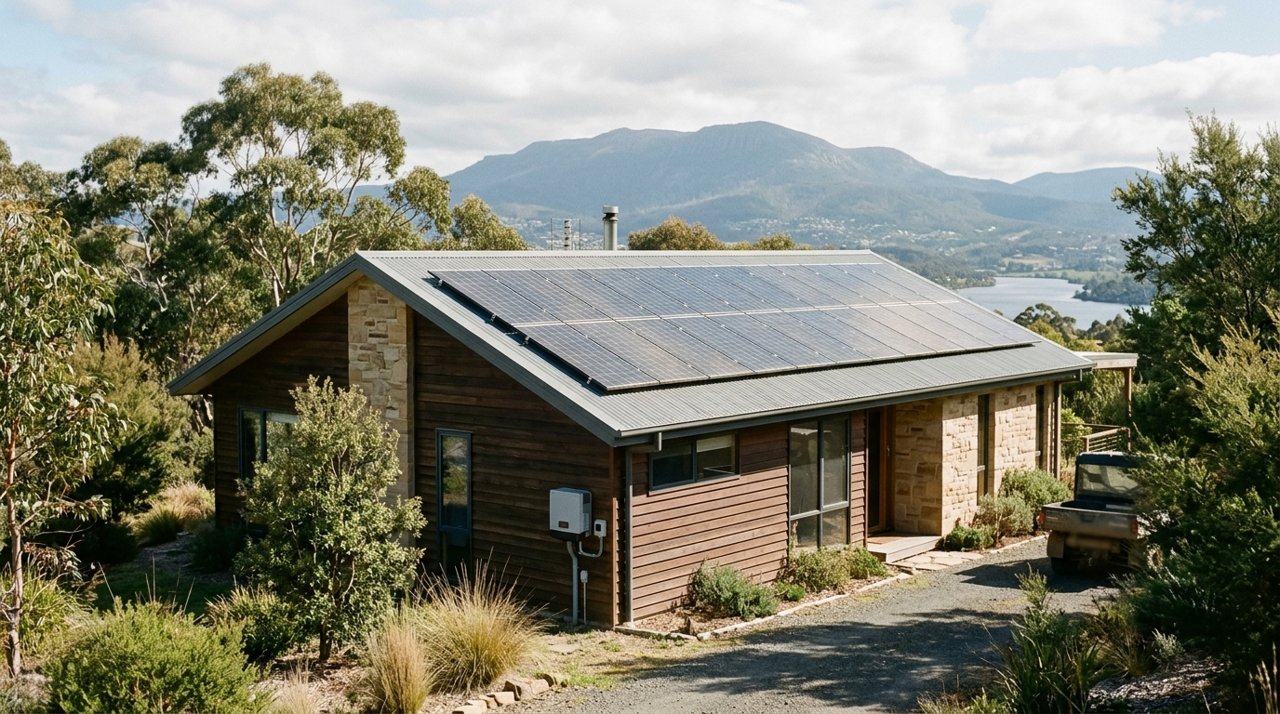
Thinking about putting solar panels on your roof in Tassie? It’s a smart move for many households, but it’s easy to get bogged down in the details. One of the most common questions we hear is about the “feed-in tariff,” or FiT. What is it, how does it work with Aurora Energy, and what does it mean for your power bills?
Let’s break it down in simple terms.
What is a Solar Feed-in Tariff?
A solar feed-in tariff is a small credit you receive for any excess electricity your solar panels generate that you don’t use yourself. This surplus power gets “fed back” or exported into the wider electricity grid for others to use. Your electricity retailer, which for most Tasmanians is Aurora Energy, pays you a set rate for every kilowatt-hour (kWh) you export.
It’s a common misconception that the main goal of solar is to earn big credits by selling power back to the grid. In Tasmania, this isn’t the case. The real financial magic of solar happens when you use the power yourself.
Self-Consumption: The Key to Solar Savings
The most important thing to understand is the difference between the feed-in tariff rate and the rate you pay to buy electricity from the grid.
- Feed-in Tariff (Export Rate): This is the small credit you get for your excess solar power. The regulated rate in Tasmania is modest, set at 9.276 cents per kWh for 2026-27.
- Retail Tariff (Import Rate): This is the price you pay Aurora Energy for every kWh of electricity you use from the grid. This is much higher, typically around 25-29 cents per kWh.
The maths is simple. Every kilowatt-hour of solar power you use in your own home saves you from buying it from the grid at the higher rate. That’s a saving of roughly 25-29 cents. Every kilowatt-hour you export only earns you about 9.3 cents.
This means the biggest savings come from self-consumption—using your own solar power as it’s being generated during the day. This is the golden rule of Tasmanian solar.
How to Maximise Your Self-Consumption
To get the most out of your solar system, the goal is to shift as much of your electricity usage as possible to daylight hours.
- Run your dishwasher after breakfast instead of after dinner.
- Use the washing machine and dryer during the middle of the day.
- Charge your devices, laptops, and cordless vacuums while the sun is shining.
- If you have a heat pump or electric hot water system, run it during the day to heat your home or water for the evening.
What About Government Rebates?
While the feed-in tariff is a running credit, the main government incentive for getting solar is the federal Small-scale Renewable Energy Scheme (SRES). This isn’t a cash handout, but an upfront discount on the purchase price of your system.
The size of the discount depends on your system’s size and your location. Tasmania is in STC Zone 4, which provides a solid rebate that can cut thousands of dollars off the initial cost, making the whole investment much more affordable.
Choosing the Right System Size for Your Home
In the past, a 6.6kW system was the standard for many homes. But times are changing. As Tasmanians move towards an all-electric future, our energy needs are growing.
For most households looking to future-proof their home, a larger system of around 13kW of panels paired with a 10kW inverter is becoming the new standard. This might sound big, but it’s designed to cover your current needs and your future ones, like:
- Charging an electric vehicle (EV).
- Running an energy-efficient heat pump for heating and cooling.
- Switching to an induction cooktop.
- Heating your water with a heat pump hot water system.
The good news is that TasNetworks, the authority that manages the electricity grid, allows a 10kW inverter on a standard single-phase connection, which is what most Tasmanian homes have. This means you can install a powerful, future-ready system without needing an expensive three-phase power upgrade.
Of course, not everyone needs a system this large. If you have a small household with very low electricity usage and no plans to electrify, a smaller system might be a better fit for your roof and budget.
Is a Battery Worth It?
A solar battery lets you store your excess solar power generated during the day to use at night. This is the ultimate form of self-consumption. Instead of exporting your surplus for a small credit, you save it for later and avoid buying power from the grid in the evening at the high peak rate.
The payback period for a battery is longer than for panels alone, typically around 7-12 years. However, the federal government’s Cheaper Home Batteries program can help reduce the upfront cost, making it a more attractive option for many.
The Bottom Line: What’s the Payback?
With the upfront discount from the SRES rebate, a well-sized solar panel system in Tasmania can often pay for itself in energy savings within about 4 to 6 years. After that, the electricity it generates is effectively free. Adding a battery will extend that payback period, but it gives you greater energy independence and protects you from rising electricity prices.
A Final Takeaway
Don’t get too focused on the feed-in tariff. While it’s a nice little bonus, the real financial benefit of going solar in Tasmania comes from using your own clean energy to slash your power bills. Think about your future energy needs—an EV, a heat pump—and size your system to match. By maximising the amount of solar you use yourself, you’ll ensure your investment delivers the best possible savings for years to come.
This guide was written by the team at Solar Generation Tasmania. We’re passionate about helping Tasmanians understand their energy options.
#solargentas #solargen #solargenerationtasmania
Published by Solar Generation Tasmania. General information current as at publication — rebates, tariffs and prices change, so confirm current figures before deciding.
Thinking about solar for your place?
Tell us a little about your home and a local Tasmanian installer will put together a free, no-obligation assessment — system, battery and the rebates you qualify for.
- Honest advice for Tasmanian conditions (Zone 4 sun, hydro grid)
- We apply every rebate you’re eligible for
- Local installers — not a mainland call centre
- SAA-accredited, with degree-qualified owners and 10+ years in tech & solar