
← Blog · 16 July 2026
V2G, V2H and V2L in Tasmania: What the Difference Means for Your Home
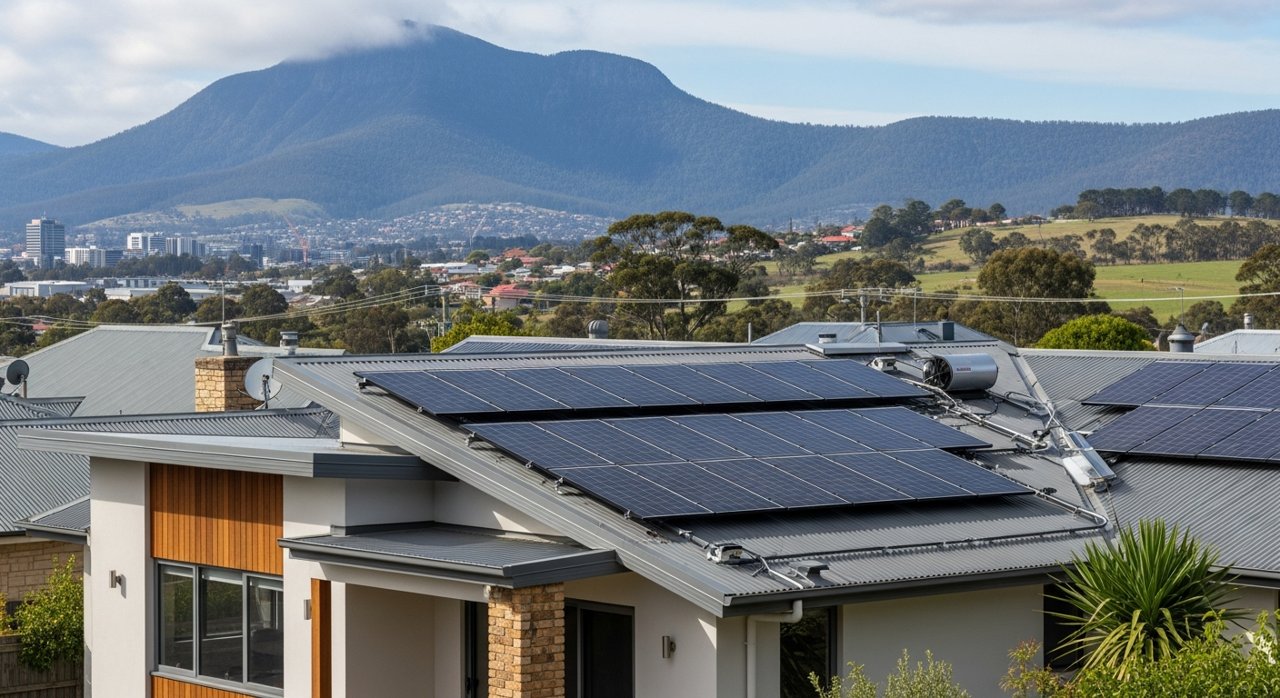
So, you’re hearing a lot about solar and electric vehicles (EVs) in Tassie, and now there are all these new acronyms flying around: V2G, V2H, and V2L. It can feel a bit like alphabet soup. What do they actually mean for your home in Hobart, Launceston, or out in the regions?
This guide breaks it down in simple terms. We’ll look at what this technology is, how it works with solar and home batteries, and whether it makes sense for Tasmanians right now.
What are V2G, V2H, and V2L anyway?
These terms all describe ways to use the large battery in an electric vehicle to power other things. It’s often called “bi-directional charging” because power can flow both to your car and from your car.
Think of your EV as a big battery on wheels. Instead of just sitting in the driveway, it can become an active part of your home’s energy system.
Here’s a quick breakdown:
- V2L (Vehicle-to-Load): This is the simplest form. It lets you plug regular appliances directly into your car, usually via a standard power point built into the vehicle. It’s like having a giant, portable battery pack. You could run a coffee machine at a campsite, power tools on a job site, or keep your fridge running during a blackout by running an extension cord into the house.
- V2H (Vehicle-to-Home): This is a more advanced setup. Your EV connects to your home’s switchboard (via a special bi-directional charger) and can power your entire house. When the grid goes down, or when electricity from the grid is expensive, your car can step in and run everything, just like a stationary home battery would.
- V2G (Vehicle-to-Grid): This is the most complex version. It does everything V2H does, but it also allows you to send power from your car’s battery back into the wider electricity grid. In theory, you could sell your stored energy to the grid when demand is high and prices are good, earning a credit on your power bill.
| Feature | V2L (Vehicle-to-Load) | V2H (Vehicle-to-Home) | V2G (Vehicle-to-Grid) |
|---|---|---|---|
| What it does | Powers individual appliances via a plug on the car. | Powers your entire home. | Powers your home AND can export to the grid. |
| How it connects | Standard power outlet on the car. | Special bi-directional wall charger connected to your switchboard. | Special bi-directional wall charger approved by TasNetworks. |
| Best for | Camping, worksites, running a few essential items in a blackout. | Blackout protection, maximising solar self-consumption. | Potential future grid support and earning export credits. |
| Availability | Available now on many new EVs. | Hardware is available, but grid connection rules are still developing. | Very limited trials in Australia; not widely available in Tasmania yet. |
How does this fit with solar panels?
For Tasmanian homeowners, the biggest win from solar is self-consumption. Power you generate on your roof and use yourself saves you paying the retail rate of around 28-30 cents per kilowatt-hour (c/kWh). Power you don’t use gets sold back to the grid for Aurora Energy’s regulated feed-in tariff, which is a more modest 9.276 c/kWh (from 1 July 2026).
This is where V2H and a home battery come in.
- Your solar panels generate lots of free electricity during the day.
- This power charges your EV and/or your stationary home battery.
- In the evening, when the sun goes down and your solar panels stop producing, instead of buying expensive power from the grid, you can use the stored energy from your EV (V2H) or home battery to run your house for free.
This strategy dramatically reduces your reliance on the grid and maximises the value of your solar investment.
Should I get a home battery or just use my EV?
This is the key question. An EV battery is typically much larger (50-100 kWh) than a standard home battery (10-15 kWh). Using your car for V2H sounds like a great deal—you get energy storage for your home and a vehicle all in one.
However, there are a few things to consider.
- Warranty and Battery Health: Carmakers are still figuring out how V2H and V2G will affect battery lifespan. Using your car battery every day to power your home will add more charge and discharge cycles, which could impact its long-term health and warranty coverage. A dedicated home battery is designed for this daily workload.
- Availability: Your car isn’t always at home. If you need to power your house in the evening but your car is parked at the office, V2H won’t be much help. A stationary home battery is always there, ready to take over.
- Cost and Complexity: V2H requires a compatible EV and a more expensive, specialised bi-directional charger. While the federal government’s Cheaper Home Batteries Program (from 1 July 2025) may offer a rebate of around 30% on eligible stationary batteries, it’s not yet clear how or if this will apply to bi-directional EV chargers.
For most people right now, a dedicated home battery offers a simpler, more reliable way to store solar energy for evening use and blackout protection. The payback period for a battery in Tasmania is longer than for just panels—roughly 7-12 years—because our power is relatively cheap and our feed-in tariff is fair. The main value is in self-consumption and backup power, not necessarily quick dollar savings.
What size solar system makes sense for the future?
With the move towards electrifying everything—cars, hot water heat pumps, induction cooktops—household energy use is set to rise. The old standard 6.6kW solar system may not be enough to cover these future loads.
For a home that plans to add an EV and other electric appliances, a larger system is often a smarter investment. A system of around 13kW of panels paired with a 10kW inverter is becoming a popular, future-proof choice. Thankfully, TasNetworks allows a 10kW inverter on a standard single-phase connection, which most Tasmanian homes have, so you likely won’t need an expensive three-phase upgrade.
Of course, if you have a smaller home, use very little power, and have no plans to get an EV or electrify your appliances, a smaller system might be perfectly adequate.
The final takeaway
V2L is a handy feature available on many EVs today, perfect for portable power. V2H and V2G, however, are still emerging technologies in Tasmania. While the promise of using your car to power your house is exciting, a dedicated home battery paired with a good-sized solar system remains the most practical and reliable solution for maximising your solar savings and providing backup power right now.
The key is to think about your future energy needs. Planning for an EV and an all-electric home with a larger solar array today will set you up perfectly to take advantage of technologies like V2H when they become mainstream.
This guide was written by the local team at Solar Generation Tasmania to help our community make informed energy choices.
#solargentas #solargen #solargenerationtasmania
Published by Solar Generation Tasmania. General information current as at publication — rebates, tariffs and prices change, so confirm current figures before deciding.
Thinking about solar for your place?
Tell us a little about your home and a local Tasmanian installer will put together a free, no-obligation assessment — system, battery and the rebates you qualify for.
- Honest advice for Tasmanian conditions (Zone 4 sun, hydro grid)
- We apply every rebate you’re eligible for
- Local installers — not a mainland call centre
- SAA-accredited, with degree-qualified owners and 10+ years in tech & solar